
SEO(Search Engine Optimisation)
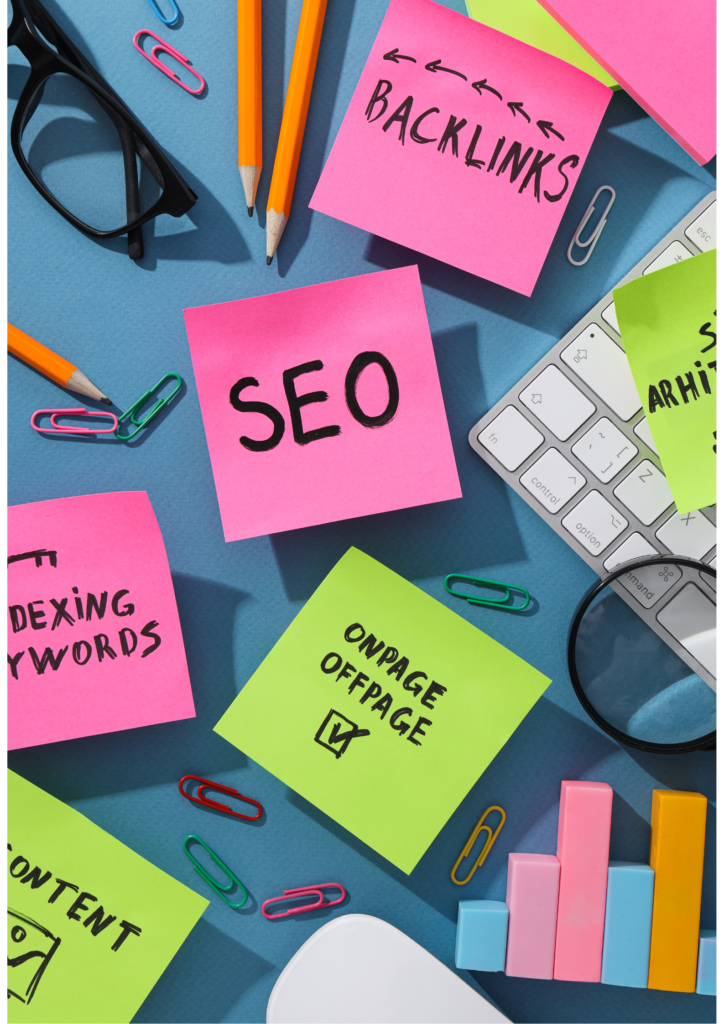
SEO (Search Engine Optimization) is the practice of improving a website so it appears higher in search engine results (such as Google) when people search for relevant products, services, or information.

Pay Per Click
Pay-Per-Click (PPC) is a digital advertising model where advertisers pay a fee each time someone clicks on their ad. Instead of earning website traffic organically, PPC allows businesses to buy targeted visits through paid advertisements displayed on search engines, websites, and social media platforms.
E-Mail Marketing
Email Marketing is a digital marketing strategy that uses email to communicate with current and potential customers. It helps businesses promote products or services, build customer relationships, share updates, and increase sales by sending personalized and targeted messages directly to subscribers.
Website Design & Development
Website Design and Development is the process of creating, designing, and building a website that is visually appealing, user-friendly, responsive, and fully functional. Website design focuses on the look and feel of the site, including its layout, colors, typography, graphics, and overall user experience (UI/UX), ensuring visitors can easily navigate and interact with the content.
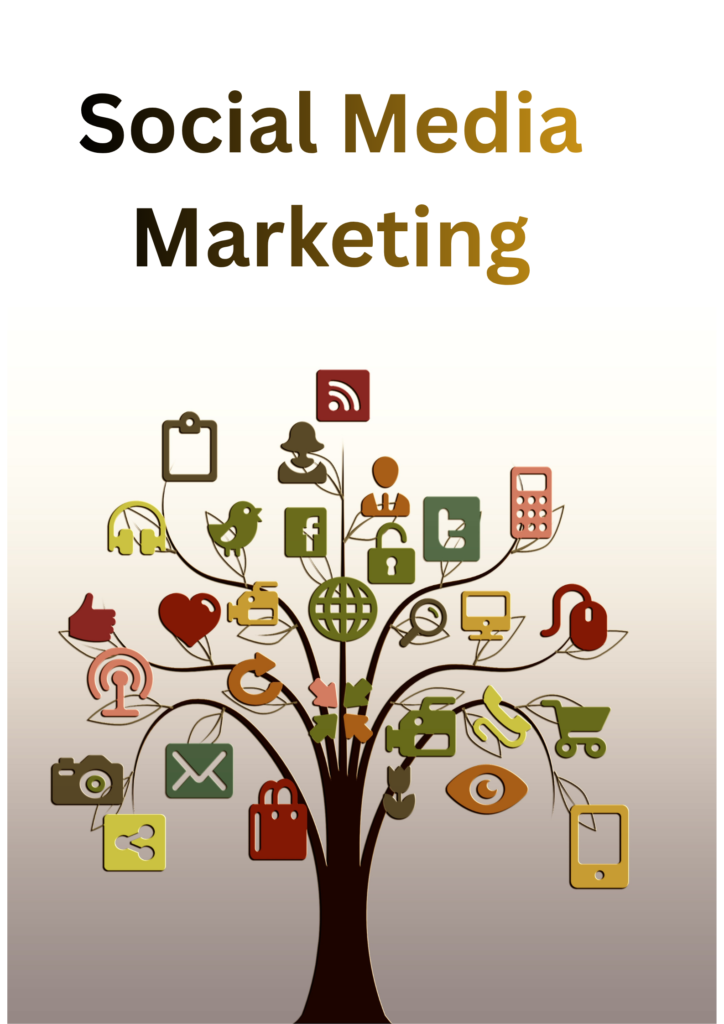
Social Media Marketing
Social Media Marketing (SMM) is the practice of promoting a business, brand, product, or service through social media platforms to increase brand awareness, engage with customers, and drive website traffic or sales. It involves creating and sharing valuable content, running targeted advertising campaigns, interacting with followers, and analyzing performance to achieve marketing goals. By using platforms such as Facebook, Instagram, LinkedIn, X, and YouTube, businesses can build strong customer relationships, reach their target audience, and grow their online presence effectively.

Content Marketing
Content Marketing is a digital marketing strategy focused on creating, publishing, and sharing valuable, relevant, and engaging content to attract and retain a target audience. Instead of directly promoting products or services, content marketing provides useful information through blogs, articles, videos, infographics, social media posts, eBooks, and other content formats to educate, inform, or entertain potential customers. By consistently delivering high-quality content, businesses can build trust, establish authority, improve search engine rankings, generate qualified leads, and encourage customers to take action, ultimately supporting long-term business growth.